
Apple’s decision to limit web apps in Europe has caused quite a stir among tech enthusiasts and developers alike. This move has left many wondering about the motivations behind it and the implications for both users and developers. If you are an Apple user or someone curious about the ever-evolving tech landscape, read on to understand this significant change and its impact.
The Evolution of Web Apps
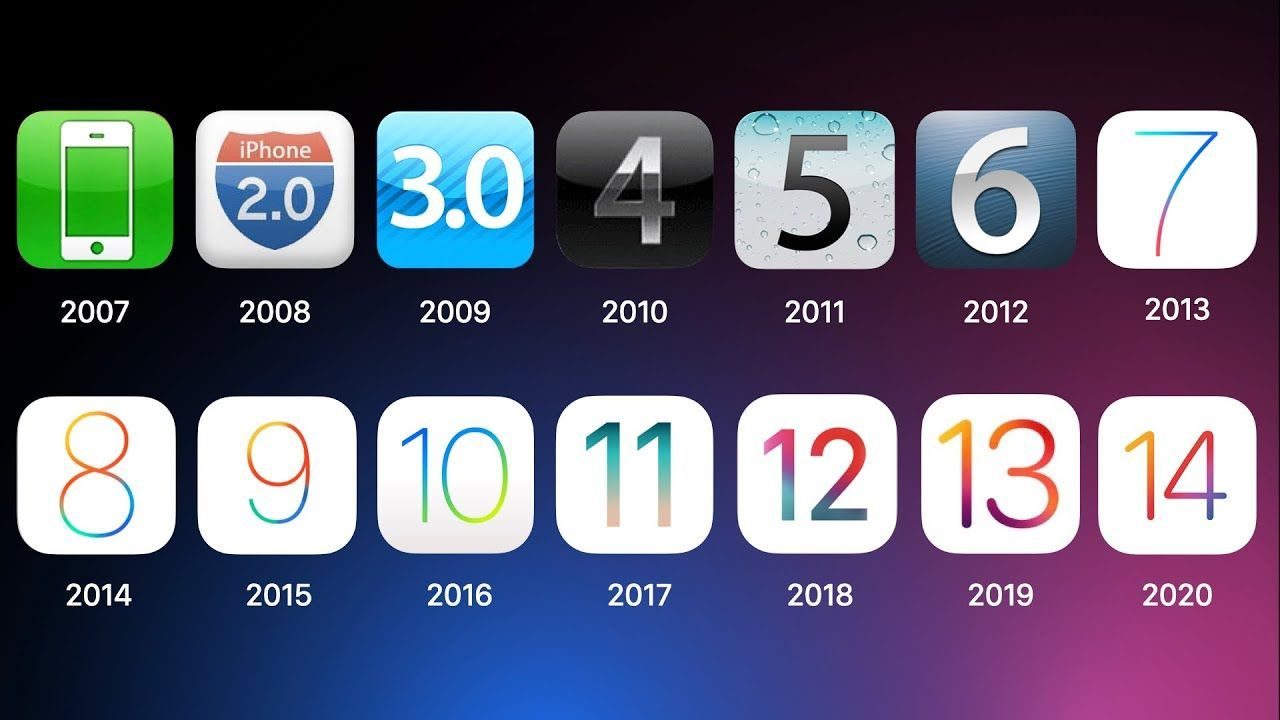
Web apps have long been a versatile alternative to traditional mobile applications. Unlike apps that you download from the App Store, web apps run in your browser, offering flexibility and ease of use without taking up storage space. They’ve been particularly beneficial for developers, providing a way to reach users across different platforms without the need for separate versions of their apps.
However, the landscape is shifting. Apple’s recent actions have restricted the development and functionality of web apps in Europe. If you frequently need to replace Apple iPhone parts, this change might affect how you interact with certain online tools and resources. To understand why, we need to delve into the underlying factors influencing this decision.
Apple’s Motivation: A Closer Look
Apple’s motivations for restricting web apps in Europe can be traced back to several core factors. Firstly, control and quality assurance have always been at the heart of Apple’s ecosystem. By pushing developers to use the App Store, Apple can maintain a higher level of quality and security for its users. This control ensures that all apps meet Apple’s stringent guidelines, providing a consistent user experience.
Moreover, financial incentives cannot be ignored. The App Store generates significant revenue for Apple through app sales and in-app purchases. By limiting web apps, Apple encourages developers to distribute their applications through the App Store, thereby increasing their revenue stream.
The European Regulatory Landscape
Europe’s regulatory environment also plays a critical role in Apple’s decision. The European Union has stringent data privacy and security laws, such as the General Data Protection Regulation (GDPR). By restricting web apps, Apple can ensure that all applications comply with these regulations, avoiding potential legal issues and fines.
Additionally, the Digital Markets Act (DMA) aims to promote fair competition in the digital market, targeting large tech companies like Apple. Restricting web apps can be seen as a preemptive move by Apple to align with these regulations, maintaining its competitive edge while avoiding regulatory scrutiny.
Impact on Developers
For developers, Apple’s decision is a double-edged sword. On one hand, it forces them to adhere to the high standards set by Apple, potentially improving the overall quality and security of their apps. On the other hand, it limits their flexibility and increases their dependency on the App Store.
Many developers have expressed frustration over the increased barriers to entry. The costs associated with developing and maintaining apps on the App Store can be prohibitive, especially for small developers. Additionally, the approval process for apps can be lengthy and cumbersome, further complicating the development cycle.
Impact on Users
For users, the impact is twofold. Positively, the restriction on web apps means that the apps available on the App Store are more likely to be secure, high-quality, and compliant with privacy regulations. This enhances the overall user experience, ensuring that users can trust the apps they download.
However, this also means fewer choices and potentially higher costs. Web apps often provided free or more affordable alternatives to native apps. With fewer web apps available, users may find themselves limited to the options provided through the App Store, which might not always meet their needs or budget.
The Future of Web Apps in Europe

Looking ahead, the future of web apps in Europe is uncertain. While Apple’s restrictions are currently in place, the evolving regulatory environment and user demand could prompt changes. Developers may innovate new ways to deliver web-based experiences within the constraints set by Apple, or they might push for regulatory changes that support a more open ecosystem.
Users and developers alike should stay informed about these developments. Engaging in discussions, providing feedback to Apple, and advocating for regulatory changes can all play a role in shaping the future landscape of web apps in Europe.