
Décor candles sit at a rare intersection in retail. They function as both a styling piece and a comfort cue. A room can feel unfinished until there is a soft focal point on a coffee table, a mantel, or a bathroom shelf. Candles deliver that finishing touch without requiring a major commitment from the shopper. They also photograph well, which keeps them in constant circulation across social feeds, product pages, and lifestyle blogs.
For sellers, the category offers flexible ways to build margin and repeat purchases. A customer might buy one candle as an accent, then return for a matching set, seasonal colors, or a gift. Many retailers strengthen unit economics by sourcing candles in bulk and building curated assortments that feel premium, even at accessible price points.
Décor Candles Sell a Feeling, Not Just a Product

Home décor shoppers buy emotional outcomes. They want a space that looks pulled together, calm, and personal. Décor candles deliver that result fast. A neutral pillar on a tray can make a living room feel styled. A set of tapers can make an ordinary dinner feel intentional. That emotional payoff helps explain why candles stay relevant even when décor trends rotate.
Candles also work across décor styles. Minimalists like matte neutrals and clean silhouettes. Maximalists go for sculptural shapes, ribbed textures, and bold colors. Traditional homes lean into classic pillars and tapers. Modern homes pick geometric forms and monochrome palettes. This cross-style compatibility expands the addressable market, so sellers do not depend on one aesthetic cycle.
Another advantage is “easy gifting.” Candles communicate taste without demanding the buyer know sizing, fit, or personal preferences the way apparel does. That makes them a reliable add-on during holidays, housewarmings, and life events. Gift-friendly categories often convert at higher rates because shoppers feel confident clicking “add to cart.”
The Economics Work: Strong Perceived Value With Manageable Input Costs
Décor candles often carry strong perceived value because the shopper sees them as design objects. Packaging, color, finish, and shape influence pricing power. A candle can feel premium even when the materials remain straightforward, as long as the design details look deliberate. That perceived value supports healthier margins than many small home goods that compete mainly on function.
They also offer scalable production choices. Sellers can vary wax type, vessel style, wick design, and finishing techniques to hit different price tiers. A simple unscented pillar can compete on elegance and versatility. A sculptural candle can compete on novelty and display value. A high-end vessel candle can compete on design and refill potential. This tiering strategy lets a brand serve multiple budgets without diluting its identity.
From an operations angle, candles usually avoid the complexity of fit-driven returns. A customer might dislike a color, yet the overall return rate tends to stay more predictable than categories where sizing drives churn. Predictable returns and consistent demand patterns support cleaner inventory planning and more reliable cash flow.
Trend Cycles and Seasonality Create Repeat Buying Moments

Candles play well with seasonality because shoppers naturally refresh décor for new weather, holidays, and routines. Warm tones in autumn. Metallics and deep greens in winter. Pastels in spring. Bright accents in summer. This cycle gives sellers multiple merchandising resets each year, without needing to reinvent the core product line.
At the same time, candles are not trapped by seasonality. Neutral candles sell year-round. So do staples like white tapers, ivory pillars, and matte black vessels. A smart assortment balances evergreen SKUs with seasonal drops. That mix keeps revenue steady while still creating urgency around limited collections.
Trend-driven design also creates content velocity. A new shape, glaze effect, or color palette can anchor a campaign. Candles work as hero products in flat-lays, room scenes, and short-form videos because the visual payoff is immediate. When a product category consistently generates “scroll-stopping” creative, customer acquisition becomes less expensive over time.
Merchandising Flexibility: Candles Fit Every Shelf, Bundle, and Display
Décor candles earn their keep in both physical and digital merchandising. In stores, they stack well, create attractive tablescapes, and support impulse buying near checkouts. Online, they photograph cleanly and benefit from comparison shopping. Customers like seeing size variants, color families, and styled scenes. That makes the category suited for strong product detail pages and collection pages.
Bundles can lift average order value without feeling pushy. A tray plus two pillars plus matches feels like a complete vignette. A set of tapers plus holders feels like a ready-to-gift kit. Even simple pairings, like “two sizes of the same candle,” feel logical because buyers already picture a styled arrangement.
Candles also support cross-selling into other décor categories. Think vases, books, trays, mirrors, and linens. As a result, candles can function as a “gateway” product that brings customers in at a lower commitment, then nudges them toward higher-ticket items once trust builds.
Differentiation Is Practical: Design, Quality Signals, and Brand Story
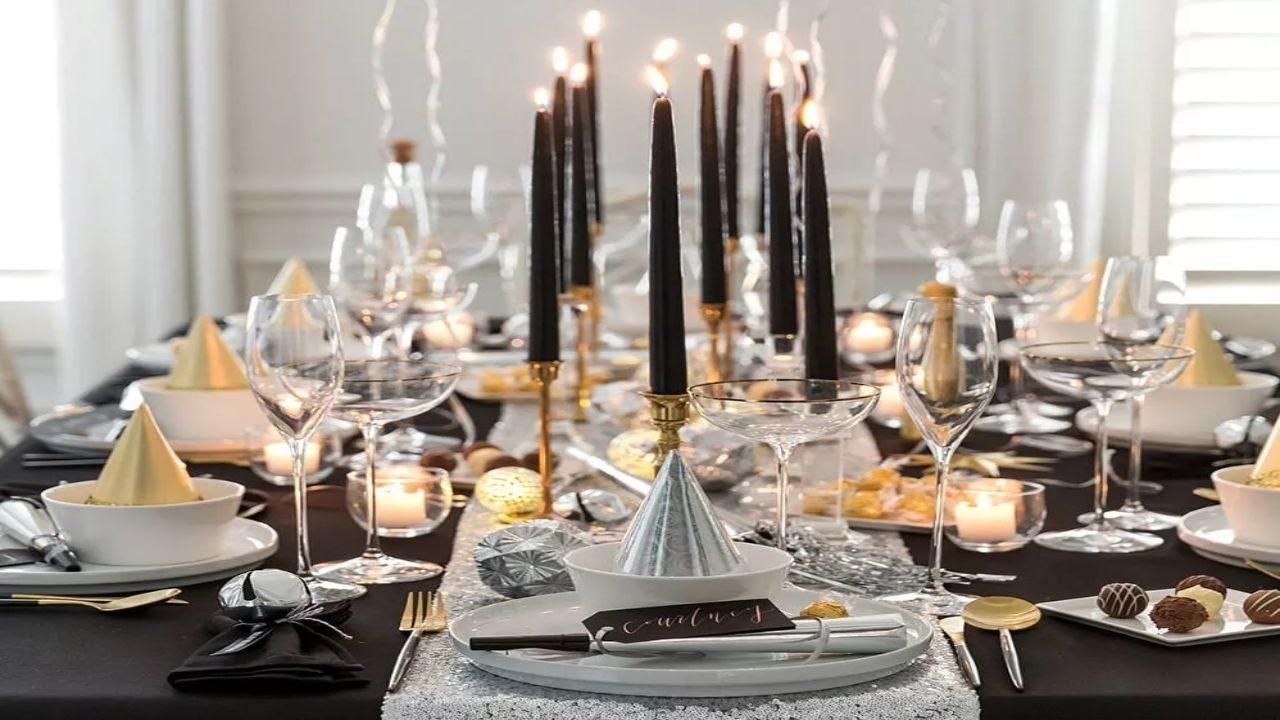
Competition exists, but candles offer multiple clean ways to stand out. Shape and silhouette matter. Sculptural forms, fluting, twists, and stacked geometries create identity quickly. Texture finishes, like matte, satin, or stone-like surfaces, help a candle read as décor first and consumable second. Color also acts as a signature, especially when brands own a tight palette that looks cohesive in a room.
Quality signals help justify pricing. Even in unscented décor candles, shoppers notice details. Clean edges, consistent coloring, stable bases, and a smooth finish matter. Packaging matters too. A rigid box, a minimal label, and protective inserts can make a candle feel like a premium object, which supports higher margins and gift purchases.
A brand story can stay subtle and still do real work. Customers respond to clarity: what the candle is designed to do in a home, how to style it, and how to care for it. When product pages include styling notes, room ideas, and pairing suggestions, shoppers feel guided instead of sold to. That guidance can raise conversion rates and reduce returns driven by mismatched expectations.
Operational Considerations That Protect Profitability
Profit is not only about pricing. It is also about preventing avoidable losses. Candles can break in transit if the packaging is weak, so sellers should treat packaging as part of the product. Protective inner cartons, snug inserts, and tested drop standards reduce damage claims. That investment usually costs less than the long-term churn caused by repeated shipping issues.
Product safety and compliance also matter. Clear burn instructions, safe-use warnings, and stable designs reduce risk. Wicks should be appropriate for the candle size. The base should sit flat. Vessels should handle heat as intended. When sellers treat safety as a brand standard, they protect reviews, reduce refunds, and strengthen long-term trust.
Inventory planning is another lever. A tight core line of evergreen shapes and colors can anchor forecasting. Seasonal colors and limited shapes can ride on smaller, faster runs. This approach reduces overstock risk while keeping the catalog fresh. It also helps marketing teams plan launches around known moments, like spring refresh and holiday gifting.
How to Position Décor Candles For Higher Margins and Faster Sell-Through
Pricing becomes easier when the assortment is built around clear roles. Offer entry options that feel elevated, like minimal pillars and tapers with polished finishes. Add mid-tier items that bring design interest, like sculptural shapes and curated sets. Include a premium tier with special vessels or limited colorways that feel collectible. This structure nudges customers upward without forcing them.
Product pages should sell the styling result. Show candles in context with scale references, such as side tables, mantels, and dining settings. Provide quick pairing ideas: “best with a stone tray,” “pairs with brass holders,” “works in warm-neutral rooms.” Customers buy faster when they can picture placement.
Finally, focus on repeatable marketing angles. Candles lend themselves to before-and-after room styling, seasonal refresh content, gifting guides, and small-space upgrades. Each angle supports a different buyer motivation, from self-purchase to hosting to gifting. When a product category can be marketed through multiple storylines, it stays profitable across changing demand patterns.