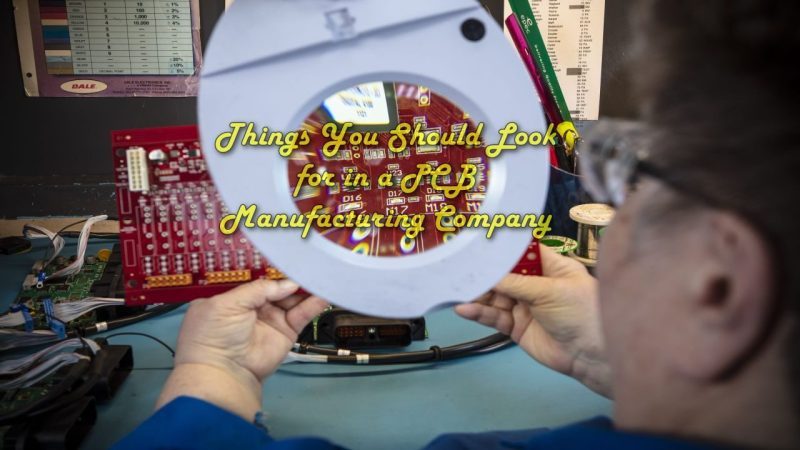
Printed Circuit Boards, or PCBs, are the heart of almost every electronic device we use today, from smartphones and cars to medical equipment and industrial machines. Choosing the right manufacturer to produce these PCBs is a big decision. A good partner can help you build better products and meet deadlines with ease. One company known for high-quality, precision manufacturing is Beyonics in Singapore, which has earned its reputation by focusing on advanced electronics solutions.
When selecting a PCB manufacturing company, it’s essential to think beyond just price. Different types of PCBs, like single-layer, multi-layer, flexible, and rigid-flex, require different skills, machines, and materials. The right manufacturer should match your product’s needs while ensuring quality, consistency, and fast delivery. Let’s take a closer look at the key things you should check before choosing a PCB manufacturer.
Experience and Technical Expertise
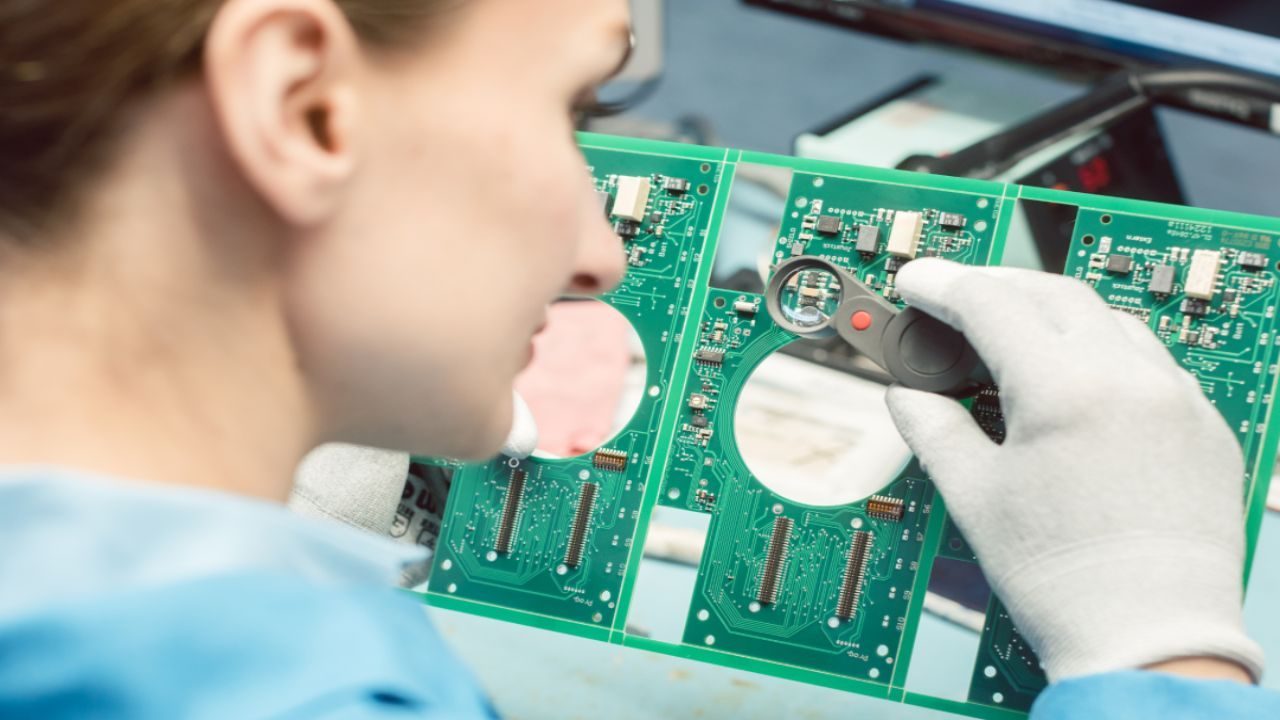
When it comes to PCB manufacturing, experience matters. Companies that have been in business for years have likely faced many technical challenges and learned how to solve them. They know how to handle different materials, technologies, and customer demands.
You should look for a company that understands your industry. For example, a manufacturer that regularly works with medical or aerospace clients will have stricter standards and tighter tolerances. These companies are better equipped to deal with complex or mission-critical designs.
Also, check if the company offers design support. Sometimes your PCB design might need a few changes to make it easier or cheaper to manufacture. A good manufacturer will have engineers who can guide you early in the process, saving you time and money later.
Quality Control and Certifications
PCB quality is extremely important. A small flaw in a board can cause a whole product to fail. That’s why strong quality control processes are a must. Look for a manufacturer that does regular inspections, tests every board, and tracks problems to prevent them in the future.
Certifications are a great sign that a company takes quality seriously. Common ones include ISO 9001 (quality management) and IPC standards (industry guidelines for PCB manufacturing). If your boards are used in medical or automotive products, check for industry-specific certifications like ISO 13485 or IATF 16949.
Ask if they provide a final inspection report or testing options like flying probe or automated optical inspection (AOI). These tests catch issues like missing components, broken circuits, or incorrect layouts before boards are shipped out.
Capabilities and Technology
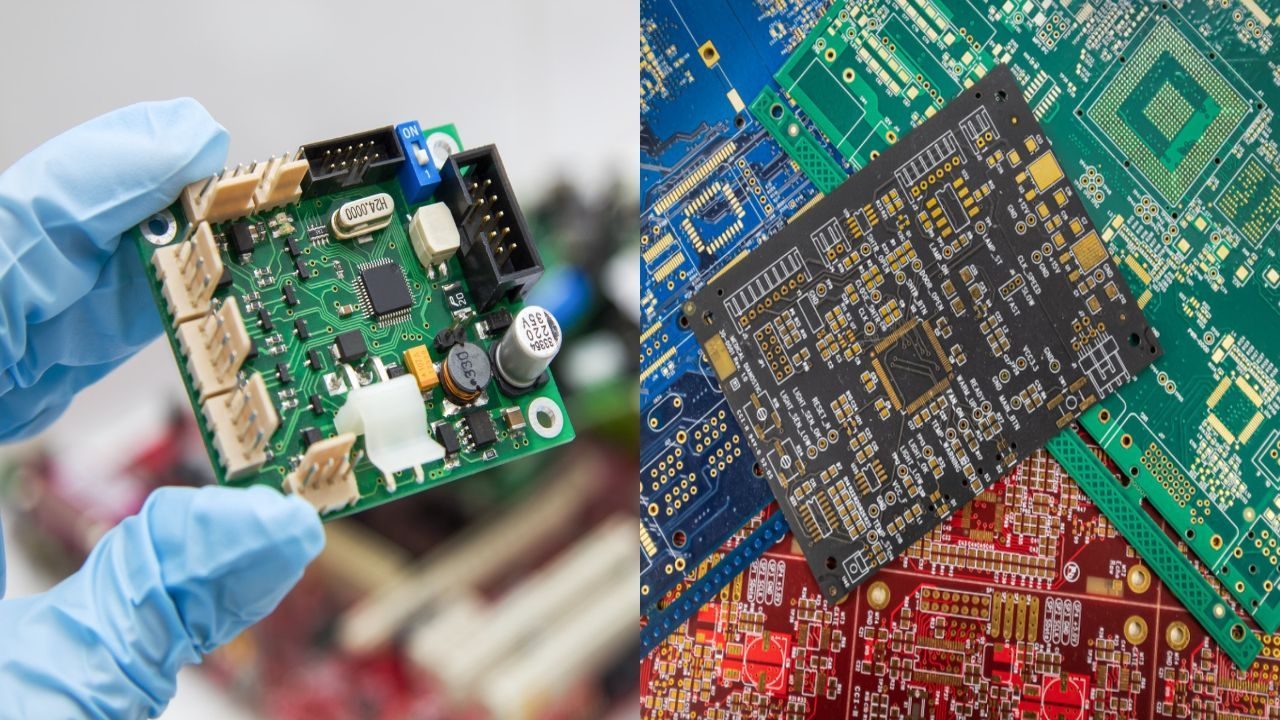
Not all PCB manufacturers can produce every type of board. Some only make basic single-layer PCBs, while others can handle complex multi-layer or high-density designs. Make sure the company has the equipment and skills to meet your technical needs.
Ask about their maximum number of layers, minimum hole size, trace width, and supported materials. If you’re using flexible PCBs or boards with special shapes or finishes, be sure the manufacturer has done similar work before.
It’s also good to know if they handle both prototyping and full-scale production. Some companies are great for small test batches, but can’t scale up when you need thousands of units. Choosing a company that grows with your business can save you time and effort.
Turnaround Time and On-Time Delivery
Time is money, especially in electronics manufacturing. You don’t want to be stuck waiting weeks for a PCB that holds up your entire production line. That’s why turnaround time and delivery reliability are important factors.
Ask how long it takes them to complete a prototype or a production run. Also, check if they offer express services when needed. Some companies offer quick-turn PCBs in just 24 to 72 hours, which can be a lifesaver during tight deadlines.
Read customer reviews or ask for references to see how often they meet delivery dates. A company that always ships late can mess up your schedule, increase costs, and hurt your reputation.
Customer Service and Communication
Strong customer support makes a big difference. You want a manufacturer that responds quickly, explains things clearly, and keeps you updated throughout the process. Poor communication can lead to misunderstandings, delays, or errors in production.
Try reaching out to the company with questions before placing an order. How fast do they reply? Are they helpful? A company that values communication will make sure you understand every step, from quoting and design review to production and shipping.
Also, check if they assign a dedicated account manager or engineer to your project. Having a single point of contact makes things easier and reduces confusion when dealing with changes or issues.
Pricing and Value for Money
Of course, price matters, but it shouldn’t be the only thing you look at. Some companies offer low prices by cutting corners on materials, quality, or testing. In the long run, this can lead to product failures, recalls, and unhappy customers.
Instead, focus on value. What are you getting for the price? Does it include testing, fast delivery, and design support? Are there any hidden costs, like setup fees or charges for minor changes?
A good PCB manufacturer will offer a clear, detailed quote and be upfront about pricing. They’ll also be flexible, offering different service levels based on your budget and project size. The cheapest option isn’t always the best one, especially if it costs you more later.
Let’s Conclude
Choosing the right PCB manufacturing company is a big step that can impact your product’s quality, cost, and success in the market. Don’t rush the decision. Take the time to check experience, quality standards, technical capabilities, customer service, and overall value. A strong manufacturing partner will help you deliver better products, on time and on budget.