
Skin health often gets overlooked until something alarming appears. Yet early detection can make all the difference in successful treatment and long-term protection. Many specialists emphasize the value of routine screenings as a preventative measure rather than a reactionary step. At Lumine Dermatology Clinic, regular Skin Cancer Screening is highlighted as a vital tool for maintaining not only healthy skin but overall well-being.
Skin cancer remains one of the most common cancers in the United States, yet it is also one of the most treatable when identified early. Regular checkups help spot subtle changes that may go unnoticed in daily life. By catching abnormalities early, patients avoid complications, protect their health, and gain peace of mind through professional monitoring.
Why Early Detection Matters
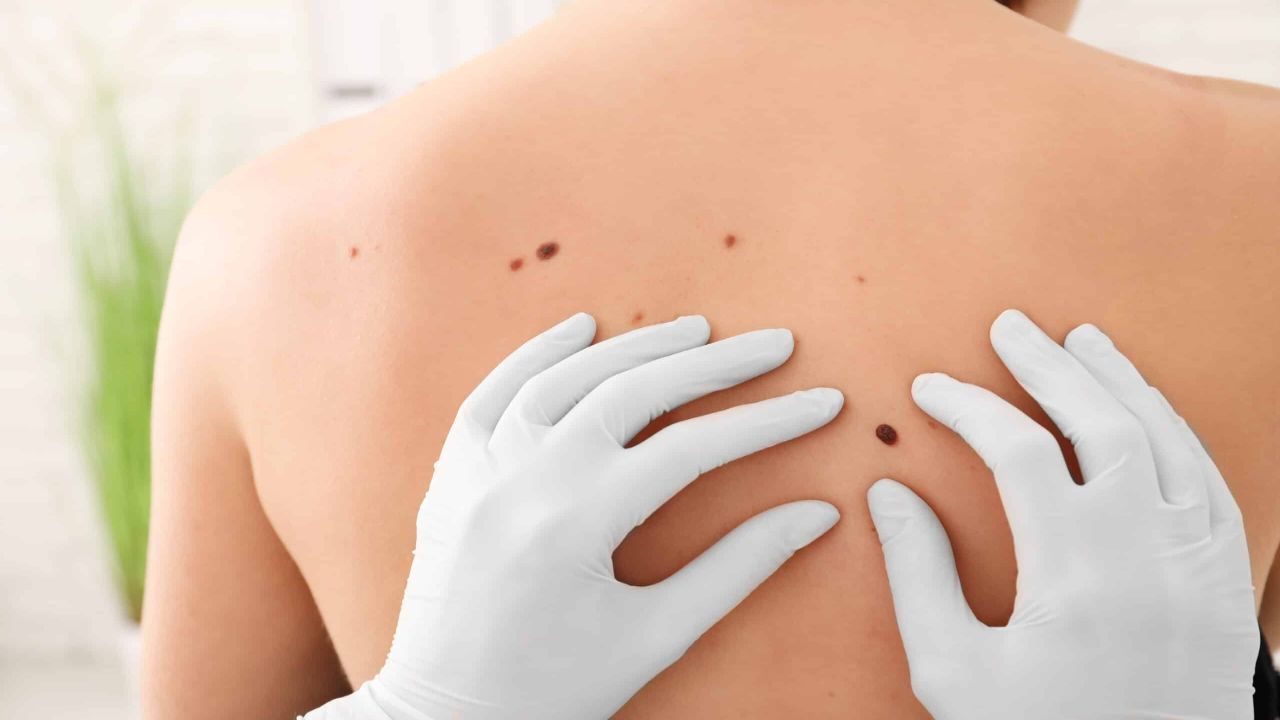
Skin cancer can appear in many forms, from subtle freckles that darken to irregular moles that change shape. Early detection is critical because treatment at an early stage often involves less invasive procedures and carries a higher rate of success. When left unnoticed, skin cancer may spread deeper or to other organs, making treatment more complex and outcomes less favorable.
Checkups also help track the natural changes that occur in the skin over time. A dermatologist can distinguish harmless spots from potentially dangerous lesions. This expert evaluation offers clarity, reduces anxiety, and ensures that nothing is overlooked during self-exams. In short, the sooner skin changes are spotted, the better the chances of effective treatment.
What to Expect During a Skin Cancer Checkup
A skin cancer checkup is a straightforward and painless process. Dermatologists carefully examine the skin from head to toe, including areas patients may not typically inspect, such as the scalp, behind the ears, or the soles of the feet. This full-body approach ensures no part of the skin is ignored.
During the appointment, specialists look for the ABCDE signs: asymmetry, border irregularity, color variation, diameter greater than a pencil eraser, and evolving changes over time. If anything suspicious is detected, further evaluation such as a biopsy may be recommended. Patients can also ask questions, discuss family history, and receive guidance on at-home skin monitoring.
The Role of Routine Screenings in Prevention

Routine screenings are not just for those with fair skin or a history of sunburns. They are important for everyone. Ultraviolet radiation from both natural sunlight and artificial sources like tanning beds increases the risk of skin cancer regardless of age or skin tone. Regular appointments build a consistent medical record, allowing dermatologists to compare changes over time and catch issues before they progress.
Prevention goes hand-in-hand with detection. Screenings serve as a reminder to stay vigilant with sunscreen, protective clothing, and safe sun habits. They also open a dialogue with healthcare providers, encouraging healthier routines and awareness about personal risk factors. By making screenings a part of life, patients reduce risks and protect their skin long-term.
Who Should Schedule Skin Cancer Screenings
While everyone benefits from routine screenings, some groups face higher risks. People with fair skin, light-colored eyes, or a family history of melanoma should be especially proactive. Individuals with many moles, a history of tanning bed use, or significant sun exposure also need regular professional checks.
Older adults often face elevated risks because of cumulative sun damage. At the same time, younger individuals should not dismiss screenings, particularly if they notice unusual changes or have a history of severe sunburns. Consulting with a dermatologist helps determine the right screening schedule based on personal health and lifestyle factors.
How to Monitor Your Skin Between Visits
Professional screenings are essential, but at-home vigilance plays an equally important role. Monthly self-exams allow individuals to spot new moles or changes in existing ones. Using a mirror, or enlisting the help of a partner, makes it easier to check areas that are hard to see.
Keeping photos of moles and marks on the body can be useful for tracking changes over time. Any spot that looks different, feels unusual, or bleeds without reason should be checked promptly. Combining self-monitoring with regular professional exams creates a strong defense against skin cancer.
Building Confidence Through Professional Care
Skin cancer screenings are not simply medical appointments. They provide reassurance, guidance, and long-term security. Patients gain confidence knowing that an expert is monitoring their skin health. The process fosters trust and creates a partnership between patient and dermatologist, where both work toward prevention and early treatment.
Choosing to prioritize regular screenings helps reduce anxiety about skin health. It reinforces the idea that prevention and care are achievable through simple, consistent steps. When skin is monitored regularly, patients are better equipped to protect themselves and act quickly if any changes arise.
Making Skin Health a Priority
Regular skin cancer checkups protect more than just appearance. They safeguard health, prevent complications, and provide clarity in a world where sun exposure is unavoidable. By committing to consistent screenings, individuals take control of their well-being and ensure that their skin receives the professional attention it deserves.
Healthy skin requires awareness, prevention, and regular care. Making screenings part of a wellness routine is one of the simplest yet most effective ways to protect against one of the most common cancers in the country. With expert support and personal vigilance, patients can maintain healthier skin and greater peace of mind.