
Digital commerce is shifting toward deeply personalized user experiences. Shoppers today expect websites to tailor content, suggestions, and offers based on their needs. This isn’t just a nice-to-have, it’s a competitive necessity. Web developers are now on the front lines of enabling this shift, building experiences that go beyond static content and into user-responsive, interactive solutions.
Among the most effective tools in this space is the product recommendation quiz. When crafted with care, this feature does more than suggest items, it transforms how users interact with a brand. It creates a guided path that adapts to user choices in real time, resulting in better conversion rates and higher customer satisfaction.
Why Personalization Needs Developer Involvement
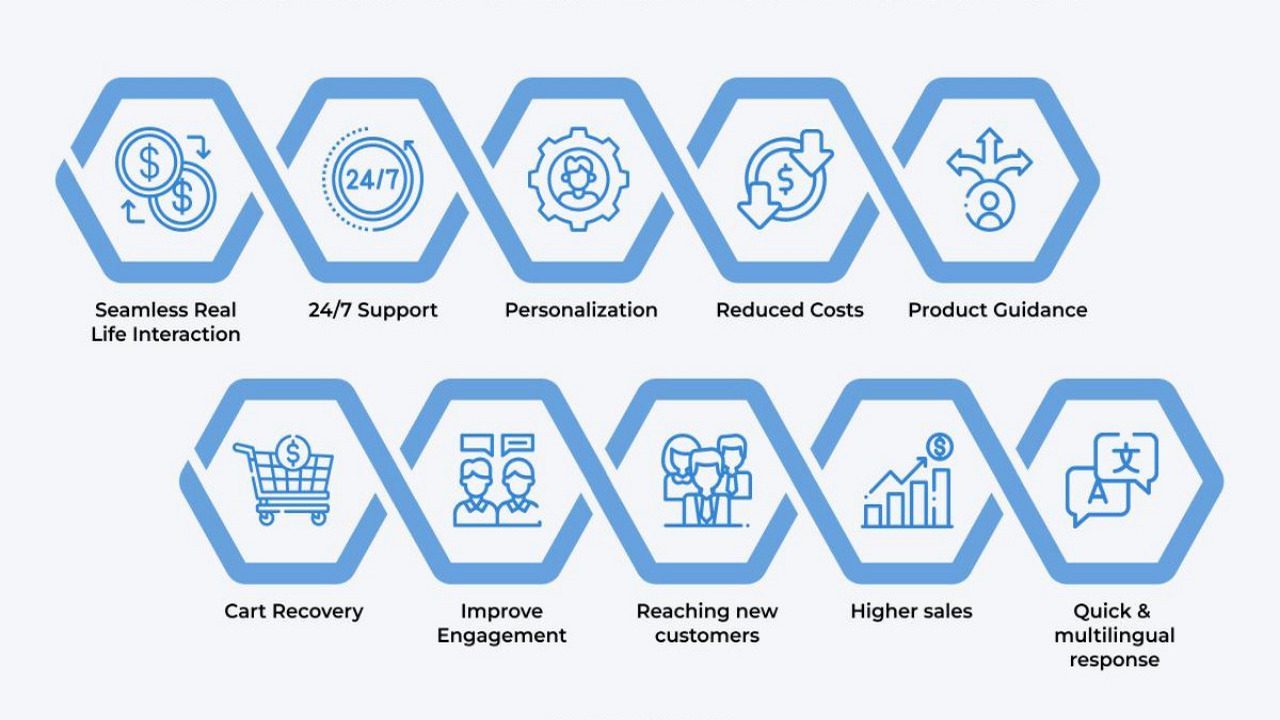
While marketers often lead the conversation around personalization, developers make it possible. The logic, structure, and performance of any personalization feature rely on thoughtful engineering. Developers determine how user data is collected, how the quiz logic is processed, and how results connect with a product database.
The challenge is creating an experience that feels lightweight for users but is powered by a robust backend. That requires smart choices on frameworks, data handling, and frontend responsiveness. Developers must also plan for edge cases and user input that doesn’t fit neatly into predefined categories. Done right, these quizzes feel seamless. But behind the scenes, they are a web of conditional logic and database hooks.
Structuring the Quiz for Seamless Integration
One of the biggest design tasks is how to structure the quiz in a way that feels native to the site. From a developer’s perspective, this means balancing form and function. The quiz should not feel like an external add-on but rather a natural part of the browsing experience.
Embedding the quiz inline on product or category pages often leads to better engagement. Developers may choose to build custom components in React or Vue to ensure smooth transitions between questions. When integrating with a headless CMS or an eCommerce platform like Shopify or WooCommerce, the quiz logic should align with the product taxonomy and inventory levels.
Data should be validated in real time. If the quiz pulls product data based on tags or attributes, any gaps in metadata can lead to inaccurate suggestions. Building safeguards for incomplete or outdated product fields can prevent user drop-offs and improve the trustworthiness of results.
Building the Logic Behind Personalized Results
The core of a product quiz is its recommendation engine. While some quizzes rely on simple conditional logic (if A + B = product C), more sophisticated versions pull in scoring systems, attribute weighting, or even real-time filtering.
For smaller catalogs, basic branching logic may be sufficient. But as product selections grow or user needs become more complex, a rule engine or decision tree may be needed. Developers should modularize this logic so it can be easily updated without rewriting core components.
Connecting the quiz to a recommendation API or machine learning model can further enhance results. However, even simple quiz tools can achieve strong results if the logic is grounded in accurate user profiling and up-to-date product tagging.
Collecting and Using Data Responsibly
Every product quiz collects user data, even if it’s just preferences or shopping habits. Developers must prioritize how that data is handled, stored, and reused. If the quiz feeds into a CRM or personalization engine, proper API handling and data security are essential.
In jurisdictions with data privacy regulations like GDPR or CCPA, developers must add user consent mechanisms before storing responses. This doesn’t mean disrupting the experience. Modal pop-ups, toggle switches, or pre-checked opt-ins (where legal) can all be integrated smoothly without slowing the quiz.
Additionally, developers should avoid storing identifiable information unless it’s essential to the functionality. Anonymous session-based personalization often achieves the same marketing goals without increasing compliance burdens.
Optimizing for Speed, Mobile, and UX
Users expect quiz interfaces to feel quick and intuitive. Lag or long load times often result in drop-offs. Developers should prioritize asynchronous data handling, lazy loading where applicable, and minimal reliance on large client-side libraries.
Mobile responsiveness is non-negotiable. Most users will engage with quizzes on their phones, so layouts must accommodate touch-friendly design, dynamic keyboard behavior, and small screen real estate. Developers can consider breaking long questions into card-style progressions or using horizontal scrolls for multiple-choice answers.
Feedback and interactivity also play a large role in success. Microinteractions, like subtle animations, progress bars, or personalized messages, help reinforce the feeling that the quiz is tailored to the user. But these should be lightweight and not interfere with page performance.
Connecting Quiz Results to the Broader Site Experience
A quiz doesn’t operate in isolation. Once users receive their product recommendations, they should feel like the rest of the site experience supports those results. This requires thoughtful linking between the quiz engine and the product display logic.
Developers can pass results as query parameters, cookies, or session state to personalize the next pages a user visits. For instance, landing pages can be dynamically filtered to show only the quiz-matched products, and those results can persist during the session.
Beyond product suggestions, quizzes can feed data into broader personalization strategies. For example, if a user selects “sensitive skin” in a skincare quiz, banners, blog content, and category highlights can shift to reflect that choice. Developers play a key role in routing that data through personalization layers and ensuring consistency across touchpoints.
A well-built product recommendation quiz is more than just a novelty. It’s a performance tool that blends intelligent UX with precise backend logic. For developers, this means balancing personalization, compliance, and performance, without making the user feel the complexity beneath the surface. Done right, the quiz becomes not just a feature, but a tailored digital assistant that guides users to the right product with minimal friction.