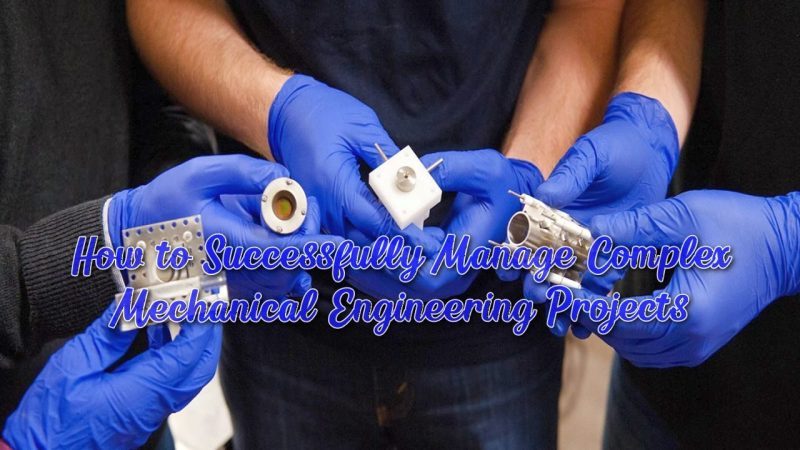
Learning how to manage complex mechanical engineering projects takes more than technical skill. It demands structure, foresight, and collaboration across disciplines. From intricate design specifications to unpredictable supply chain shifts, every phase introduces variables that can derail timelines and budgets. Success depends on how well each moving part is planned, executed, and tracked. Companies such as J.O.T. Engineering have shown that a blend of technical excellence and project discipline can turn complexity into a controlled, productive process.
Mechanical engineering projects often involve multidisciplinary teams, advanced technology, and high-risk milestones. Balancing these elements requires strategic management that aligns people, tools, and processes under a unified vision. The most effective project leaders establish clear goals, prioritize communication, and build systems that adapt to evolving conditions while maintaining quality and safety.
Define Clear Objectives and Project Scope

Clarity at the beginning sets the tone for everything that follows. A detailed project scope outlines deliverables, budget, technical requirements, and success criteria. This stage must go beyond simple documentation. It is where potential risks, dependencies, and constraints are mapped out. When every team member knows what success looks like, they can make informed decisions throughout the process.
A well-defined objective also supports stakeholder alignment. Complex mechanical projects often involve engineers, fabricators, suppliers, and clients with different perspectives. Establishing shared expectations early avoids disputes later and builds accountability into the process. Clear scope management ensures that all future adjustments are deliberate and traceable.
Build a Strong, Multidisciplinary Team

Every complex project relies on the strength of its team. Mechanical engineering projects require expertise across structural design, materials science, thermal systems, manufacturing, and quality assurance. The project manager’s job is to integrate these specialties into a cohesive unit. That means assigning roles clearly, recognizing overlaps, and facilitating open collaboration between departments.
Cross-functional communication helps prevent design conflicts and production delays. Regular interdisciplinary reviews ensure that mechanical, electrical, and control systems are compatible before fabrication begins. Successful managers also invest in people, motivating teams through recognition and consistent feedback, which strengthens performance under pressure.
Use Robust Project Planning and Scheduling Tools
Modern project management software transforms how complex mechanical projects are tracked. Tools like Gantt charts, resource planning systems, and 3D modeling platforms bring transparency to every phase. A central digital hub allows teams to visualize progress, forecast resource needs, and identify bottlenecks early.
Scheduling should go beyond simple deadlines. Engineers must account for lead times on materials, testing durations, and revision cycles. Contingency buffers can protect critical paths from unforeseen disruptions. With well-structured timelines, managers can coordinate fabrication, assembly, and testing without sacrificing quality or speed.
Prioritize Risk Management and Contingency Planning

Complex mechanical projects carry technical, financial, and operational risks. Identifying and mitigating these early protects both budget and reputation. A strong risk management plan categorizes potential issues, supply chain delays, design errors, regulatory changes, and assigns responsibility for monitoring each one.
Risk assessment should be continuous. As designs evolve, new risks emerge that require updated strategies. Managers who maintain active risk logs and perform regular reviews minimize costly surprises. Contingency plans, such as alternate suppliers or backup design options, provide flexibility and ensure project resilience when challenges appear.
Maintain Strong Communication and Documentation
Communication can make or break a project. Mechanical engineers depend on precise data exchange to ensure design integrity. Miscommunication leads to fabrication errors and wasted resources. Regular status meetings, centralized document management, and version-controlled design systems prevent confusion and keep everyone aligned.
Documentation should be detailed yet accessible. Every design change, testing result, and vendor update must be logged accurately. This historical record not only supports accountability but also improves future project planning. Effective communication builds trust between stakeholders and provides the transparency needed for informed decision-making.
Focus on Quality Control and Continuous Improvement
Quality control begins long before production starts. Setting clear quality benchmarks ensures that every component meets performance, safety, and compliance standards. Inspections, testing, and design validation should be embedded into each project phase rather than treated as a final step.
Complex mechanical systems require iterative refinement. Feedback from prototype testing, client input, and field performance should inform continuous improvement efforts. A culture of learning helps teams spot inefficiencies and refine processes for future projects. When teams treat quality as an evolving goal, they build a foundation for long-term success.
Integrate Technology and Innovation Strategically

Innovation drives efficiency, but only when applied strategically. Advanced simulation software, automation tools, and data analytics can accelerate project delivery while improving precision. Digital twins, for example, allow engineers to model complex systems in real time and predict performance outcomes before manufacturing begins.
However, adopting new technology must be purposeful. Managers should assess how each tool supports project objectives, reduces risk, or enhances collaboration. When innovation aligns with project goals, it strengthens both engineering outcomes and business results.
Managing complex mechanical engineering projects requires a blend of structure, adaptability, and leadership. From planning to execution, every step demands clear communication, sound risk management, and a focus on continuous improvement. Success lies in uniting technical expertise with disciplined management practices that transform complexity into coordinated progress.