
For most of the twentieth century, if a student was struggling with fractions or quadratic equations, the answer was simple: hire someone to sit across the kitchen table and work through problems together. That model still exists in many households, but over the past decade, a quieter shift has been rewriting how academic support actually gets delivered. Digital platforms have fundamentally changed how students access help with math, and the change is now reaching every age group and skill level, not just those in urban centers with ready access to qualified local tutors.
What makes online math tutoring compelling isn’t convenience alone. The deeper advantage is specificity. A student who struggles with a single concept, say interpreting rate of change in calculus, can now find targeted instruction without sitting through sessions that cover ground they’ve already mastered. Platforms that track learning gaps in real time have made it possible to treat math instruction less like a lecture and more like a diagnostic conversation, and that shift changes what students actually retain over the long term.
Why the Old Classroom Model Has Limits

Traditional in-person math help was bound by geography and schedule. You hired whoever was available nearby, and sessions happened when both calendars aligned. That worked fine in many cases, but it created real friction for families in rural areas, students with demanding extracurricular schedules, and anyone whose learning pace didn’t match the tutor’s default tempo. The friction wasn’t just logistical; it often meant the student waited too long before getting help, by which point the gap had already grown. Working with a skilled online math tutor removes most of those constraints: the student logs in, the session begins, and the format adapts to their pace rather than the other way around. According to research from the US Department of Education, students in high-quality supplemental instruction programs show measurable gains across core subjects when learning is personalized rather than standardized. The effect is especially pronounced in math, where a single unresolved misunderstanding (carrying the wrong sign, misreading a graph axis) can quietly compound across multiple later units before anyone catches it.
The Technology Behind Adaptive Math Platforms
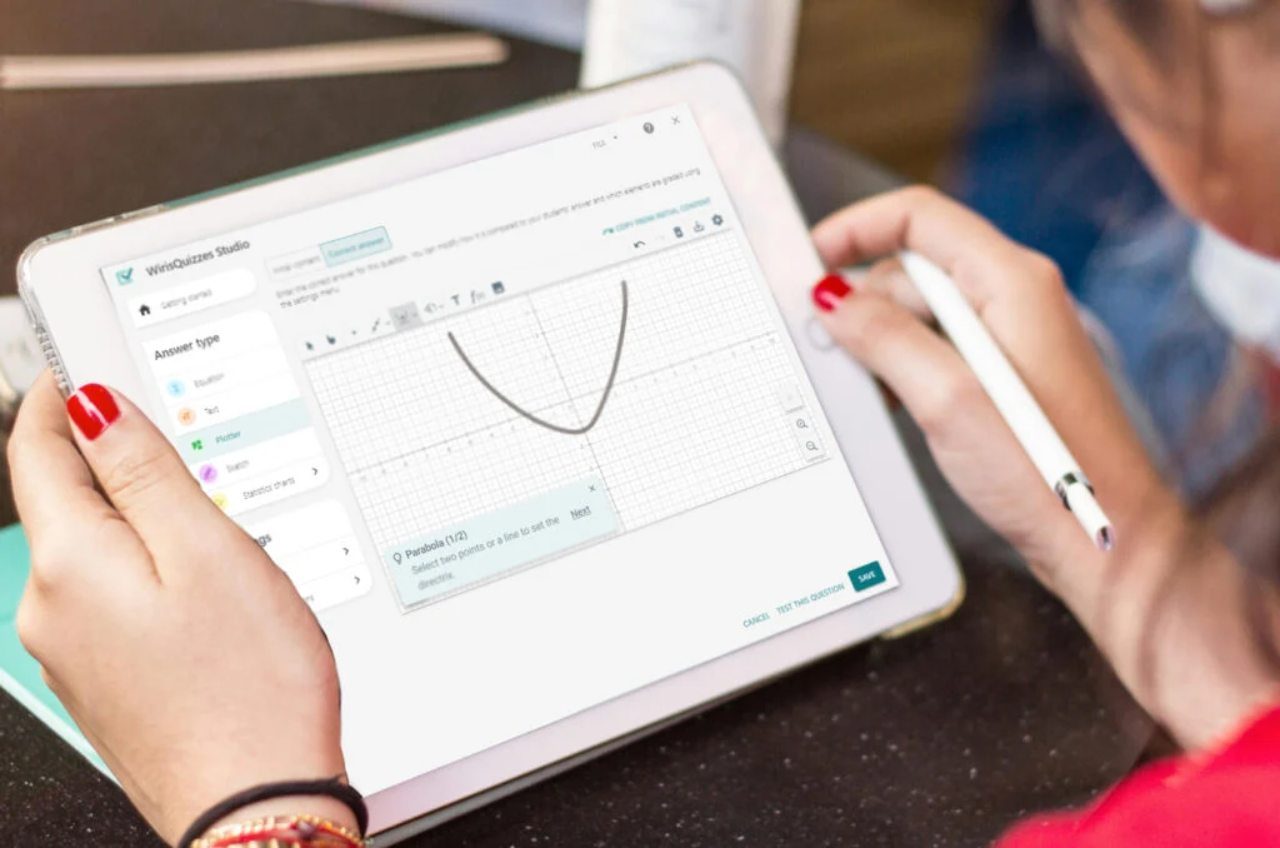
What separates modern online math platforms from a Zoom call with a freelance tutor is the infrastructure underneath. Adaptive learning engines analyze a student’s response patterns and use that data to predict where conceptual gaps are likely to emerge before the student realizes they’re stuck. These systems don’t replace the human tutor; they feed into sessions so instructors can target time more precisely. Some platforms use virtual whiteboards with synchronized annotation tools, meaning a student can write out their working in real time while the tutor watches, spots the error mid-step, and corrects it on the spot. The difference between that interaction and watching a pre-recorded video is the difference between a lesson and a conversation. Several platforms also incorporate spaced repetition into the practice sequence, presenting problems at increasing intervals once a student has shown understanding, which cognitive science research from Carnegie Mellon University identifies as one of the most reliable methods for long-term retention.
Who Benefits Most from Online Math Instruction

There’s a common assumption that online tutoring is primarily for students who are behind. That’s a misread. Strong students use it too, often to move ahead of the class curriculum or to get specific preparation for standardized tests. The format is actually better suited for advanced prep work because it’s easier to access genuinely specialized expertise when you’re not restricted by location. A student preparing for an AP Calculus exam needs a tutor with real depth in that subject area, and finding that person locally can be difficult in smaller cities. But the biggest impact tends to show up with students who are in the middle: not failing, not excelling, just stuck on one or two persistent issues that their classroom teacher doesn’t have time to address individually. Those students often drift quietly, and the gap widens month by month. A well-matched tutor can catch and correct a foundational misunderstanding in a single session that might otherwise have festered through an entire unit.
How Parents and Schools Are Responding

Adoption varies a lot. Some schools have integrated online tutoring into their support structures as a formal offering, particularly following the expansion of remote learning infrastructure that happened between 2020 and 2022. Others treat it as a private decision that families navigate on their own. Parents who’ve gone through the process once tend to be more deliberate the second time: they look at platform track records, check whether sessions are recorded for review, and pay closer attention to whether the tutor actually adjusts based on their child’s responses or just delivers a scripted lesson. Pricing has also become more competitive. What used to be a premium service has, at many platforms, moved toward subscription models that make regular access affordable without committing to a per-session rate every week. School counselors and learning support coordinators increasingly point families toward online options as a first suggestion rather than a last resort, which reflects a genuine shift in how educational professionals think about supplemental math support.
What to Look for When Choosing a Platform

No two platforms handle math instruction the same way, and the differences matter more than the marketing suggests. Some are strongest in elementary arithmetic and lose precision at the high school level. Others specialize in test prep and do less well with foundational concept-building. It helps to understand what the student actually needs before committing to a platform: is this about rebuilding a gap from an earlier year, keeping pace with the current grade, or preparing for a high-stakes exam? Curriculum alignment is also worth checking carefully. A platform built around the US Common Core framework won’t necessarily transfer smoothly for a student in Australia or Canada, where the sequencing of topics differs enough to create real confusion. Trial sessions, which most serious platforms now offer at no extra cost, are worth taking seriously rather than skipping, because the rapport between student and tutor shapes how much the student will actually engage. Checking tutor credentials and subject specializations before committing can also save considerable frustration later.